
American CME delivers quality education to the pre-hospital emergency medical professional at no cost.
100% Free No Contracts No Obligations
We offer all of our State mandated CMEs at no cost. With the demand to do more with less, American CME delivers quality education to the pre-hospital emergency medical professional at no cost.
We have designed American CME to be a long-term resource for organizations. Our no cost platform allows organizations and individuals to receive the finest online training available and incorporate American CME into their daily routine, without the worry of cost increases or grant availability. The best part is that it's 100% FREE!
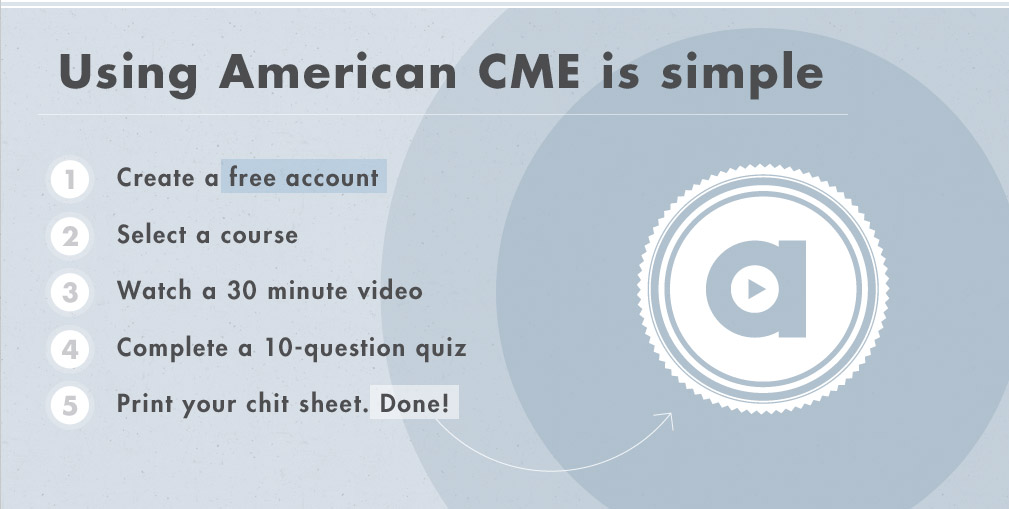
American CME was created by emergency responders for emergency responders.
As health care professionals working in the field, we know how difficult it is to fit training into your busy schedule. American CME is here to make it easier for you to access the training you need to stay current with your states continuing education requirements.
Latest CME Videos
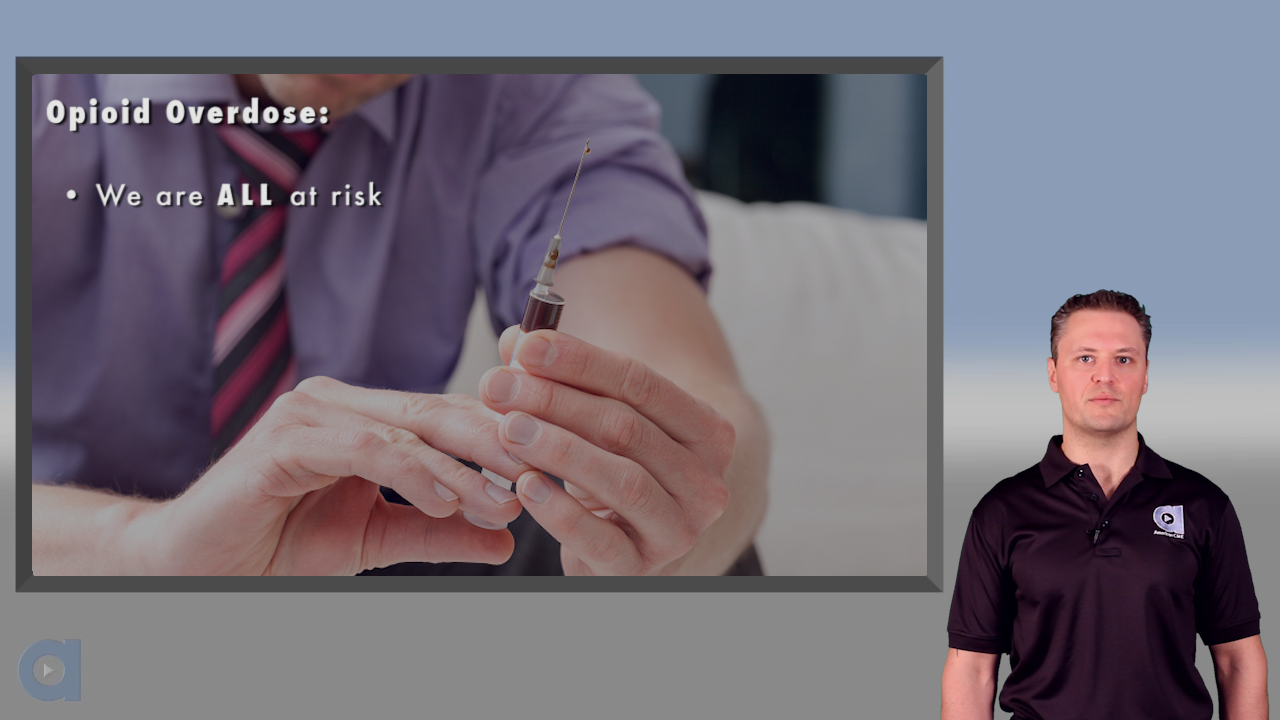
The Opioid Overdose Epidemic course is available here: The Opioid Overdose Epidemic in America
Violence in EMS: Recognize and Respond
The Violence in EMS course is available here: Violence in EMS: Recognize and Respond
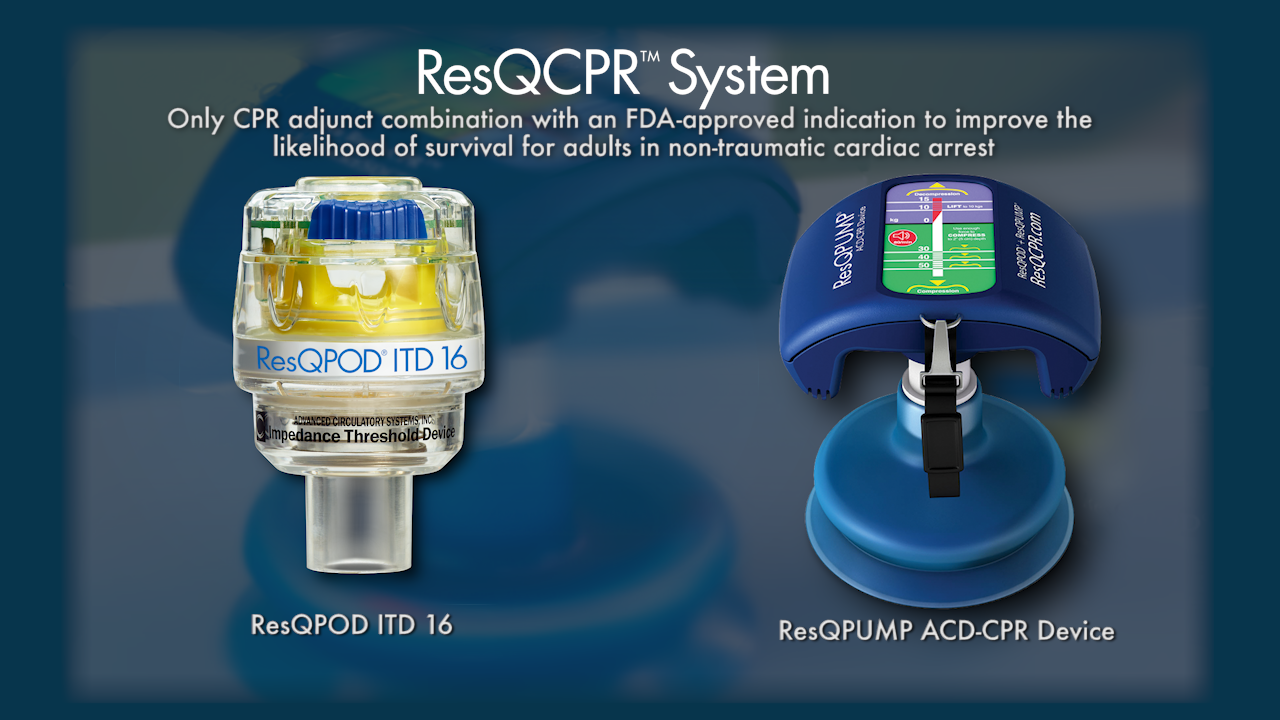
The ResQCPR System
The ResQCPR System course is available here: The ResQCPR System
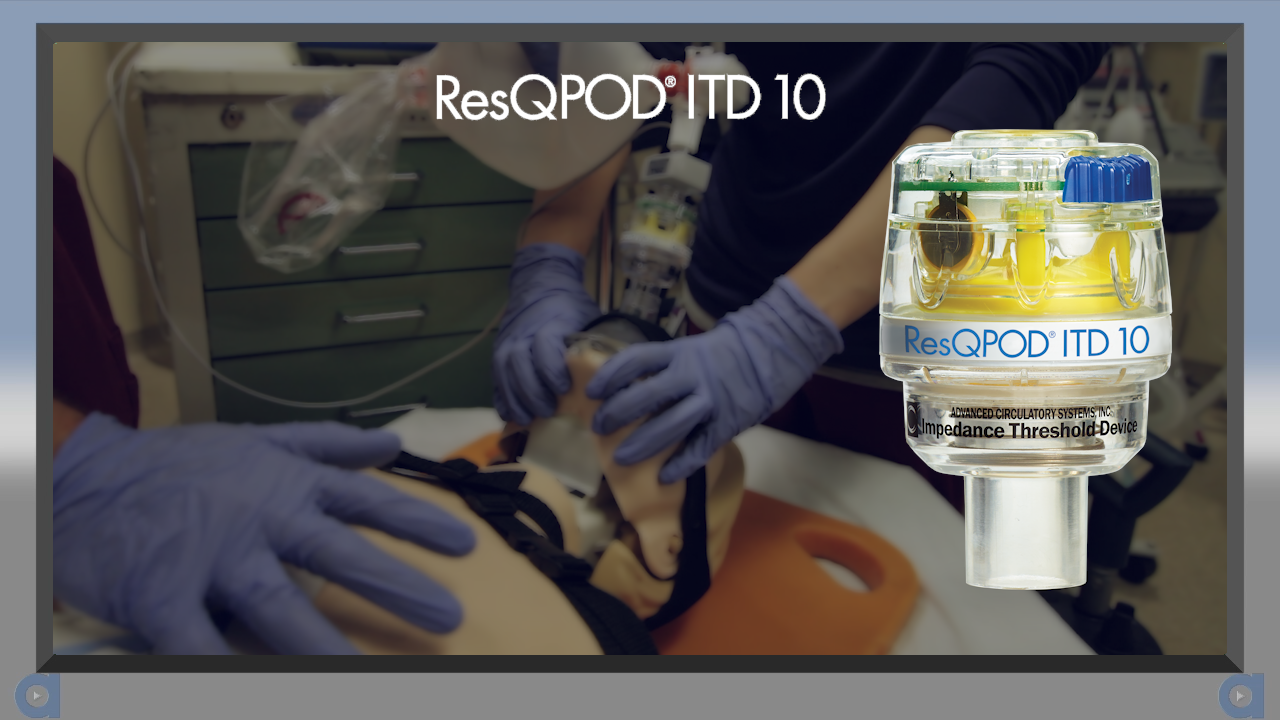
The ResQPOD ITD 10
The ResQPOD ITD 10 course is available here: The ResQPOD ITD 10
We commit to providing convenient, professional continuing education to help fulfill your State's education requirements.



© 2024 American CME, All Rights Reserved